5 Signs You Should Replace Your Bathroom Fan
A malfunctioning bathroom exhaust fan can lead to moisture buildup and mold growth. Look for these signs that your fan may need an upgrade.
Published:
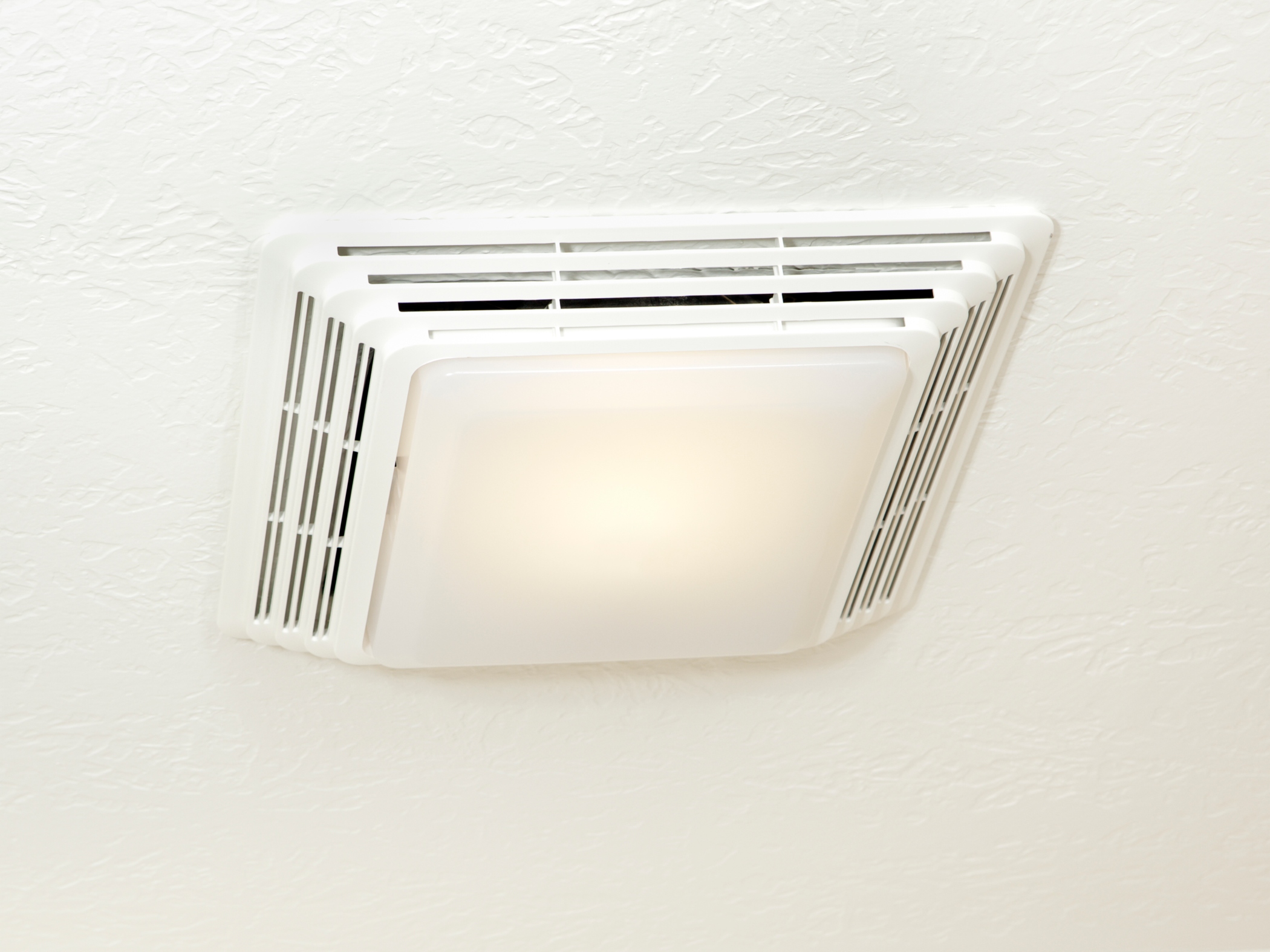
You step out of a refreshing shower, ready to unwind. But instead of feeling rejuvenated, you’re hit with a whiff of mildew and lingering moisture. The culprit behind this scenario? A malfunctioning bathroom exhaust fan.
While this hardworking ventilation system may not be the most glamorous fixture in your bathroom, it plays a crucial role in preventing moisture buildup and mold growth and maintaining healthy indoor air quality. However, like any mechanical device, exhaust fans don't last forever. But how can you tell when to bid farewell to your fan? Let's explore some telltale signs that an upgrade is needed.
1. Excessive noise
Most bathroom exhaust fans generate a low hum that's barely noticeable. However, if you've recently noticed your fan becoming significantly louder, with rattling, screeching or even grinding sounds, it's a strong indication that the motor is wearing out.
2. Too much humidity
One of the primary functions of your exhaust fan is to combat moisture and humidity. If the air in your bathroom feels stuffy and thick, it's a sign your fan might not be effectively removing excess moisture. This problem can lead to paint deterioration, wood rot or the growth of mold and mildew, posing health risks and causing potential damage to your bathroom surfaces.
3. Lingering odors
Exhaust fans help eliminate unpleasant bathroom odors. If you notice lingering odors after running the fan for a while, it suggests the fan isn't functioning properly. A burning smell is an especially concerning sign and could indicate electrical problems within the fan. In this case, turn off the fan and consult a qualified electrician.
4. Decreased airflow
A well-functioning exhaust fan should move air efficiently. To test the airflow, hold a piece of toilet paper near the vent while the fan is running and let go. If the fan doesn’t hold the piece of paper in place, it's a sign of weak airflow, indicating a potential problem with the fan motor or clogged ductwork.
5. Age
The average exhaust fan lasts around 10 years. If your fan has faithfully served your bathroom for a decade or more, it's wise to consider replacing it, especially if you’ve noticed any of the other signs mentioned above. Proactive replacement can prevent future issues and ensure your bathroom continues to have a healthy and comfortable environment.
Replacing your exhaust fan
When choosing a new exhaust fan, consider an ENERGY STAR® certified model. These fans use about 50% less energy than standard units, provide better efficiency and comfort with less noise. Also, look for features like automatic timers and humidity sensors for added convenience and efficiency.
Installing a new exhaust fan might be a DIY project for some handy homeowners. However, if you're uncomfortable with electrical work, it's always best to consult a qualified electrician to ensure safe and proper installation.