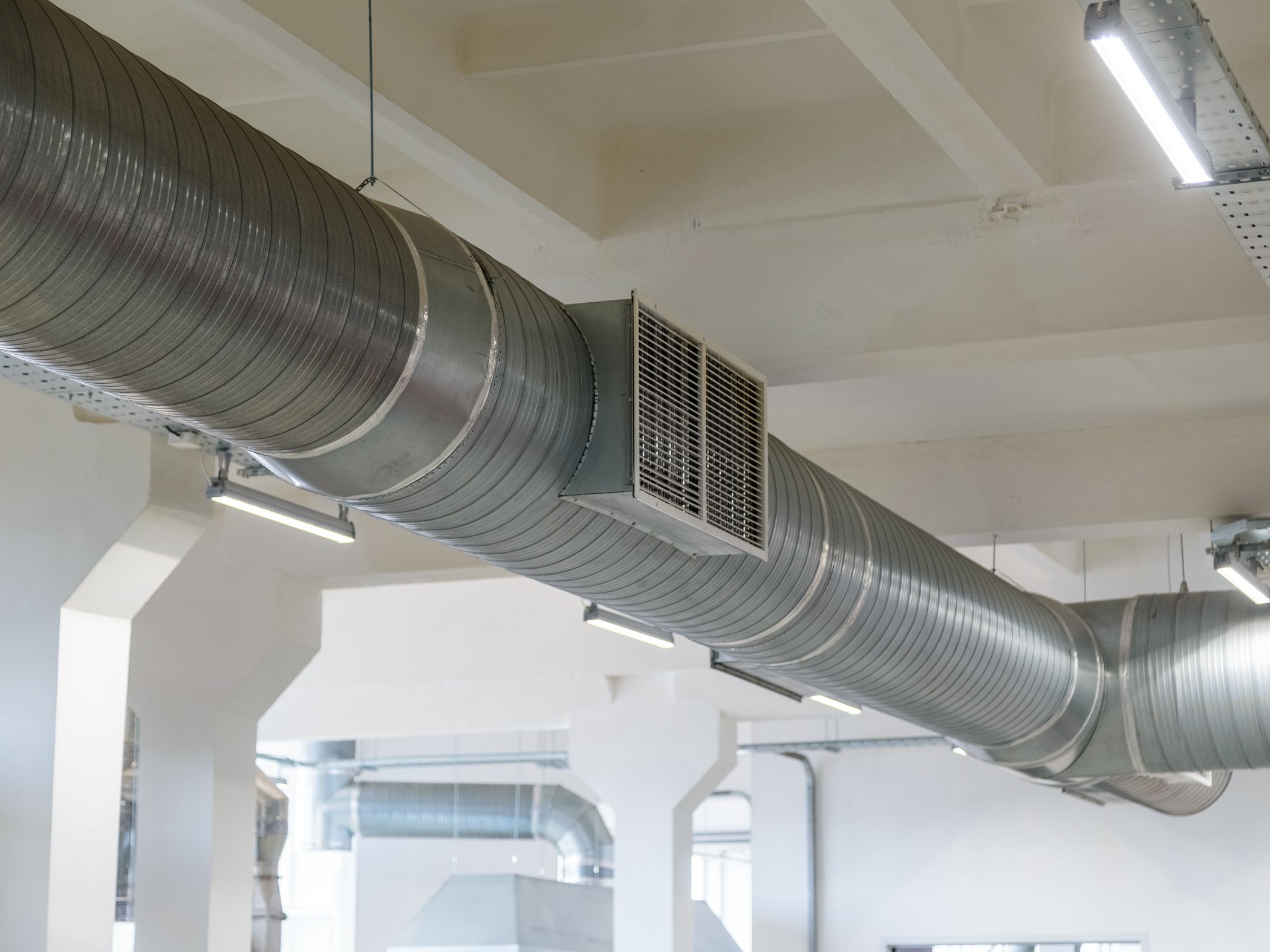
HVAC systems are critical for indoor health and comfort, but they can create plenty of headaches for facility managers. After all, HVAC system issues tend to be the most common complaint from building occupants. Uneven indoor temperatures? That's an HVAC issue. Rooms feeling stuffy? Most likely the HVAC system.
The complexity of HVAC systems in commercial buildings makes them challenging to maintain. Here, we highlight some of the most common HVAC system issues facility managers face and how to fix them.
1. Dirty filters and coils: Filters remove airborne particles, helping to improve your indoor environment. Dirty filters not only block airflow and reduce system efficiency, but they also negatively impact indoor air quality. Dirt-covered coils in outdoor units are less effective at absorbing and removing heat, causing the system to work harder.
2. Uneven temperatures: In many buildings, some rooms or areas can feel too cold while others are too hot, which can reduce occupant comfort and productivity. Such uneven temperatures can be caused by poor airflow, leaky ducts or an improperly sized HVAC system.
3. Unusual noises: Grinding, rattling or banging noises coming from your HVAC system are not only annoying, but they could be a sign of loose components or worn parts. Ignoring these noises could lead to costly repairs or system failure.
4. Restricted airflow: Debris covering outdoor units or indoor vents blocked by furniture, equipment or stored items can restrict airflow, which can cause overheating and reduced system efficiency.
5. Low refrigerant levels: Ice buildup on evaporator coils, reduced system performance or higher energy bills in summer could all be signs of low refrigerant levels. Low refrigerant levels typically result from leaks caused by corrosion, loose connections or damage to parts such as coils, valves or refrigerant lines. System wear and tear and neglected maintenance can also be factors.
Optimize system performance with preventative maintenance
While identifying and understanding common HVAC issues is important, preventative maintenance can help keep them from becoming expensive problems. Focus on consistent upkeep with these key preventative measures.
- Replace air filters regularly, according to manufacturer guidelines.
- Inspect and clean evaporator and condenser coils to ensure efficient heat transfer.
- Verify refrigerant levels and inspect lines, coils and other components for leaks and repair them quickly.
- Regularly check that vents are clear of any items that could restrict airflow.
- Inspect blower components and test airflow to ensure proper circulation.
- Lubricate motors and other moving parts to reduce friction and wear.
- Clear debris from around outdoor units and trim any foliage that might impede airflow.
- Test and calibrate thermostats and HVAC system controls to ensure accurate temperature settings and functions.
While a preventative HVAC maintenance program requires some upfront planning and scheduling, the benefits are considerable — lower energy and repair costs, extended equipment life and improved air quality.