Artificial intelligence (AI) uses data to learn and make decisions, similar to the way humans process information. AI excels at quickly analyzing millions of data points from multiple sources in real time, quickly recognizing patterns, automating repetitive processes and improving efficiencies.
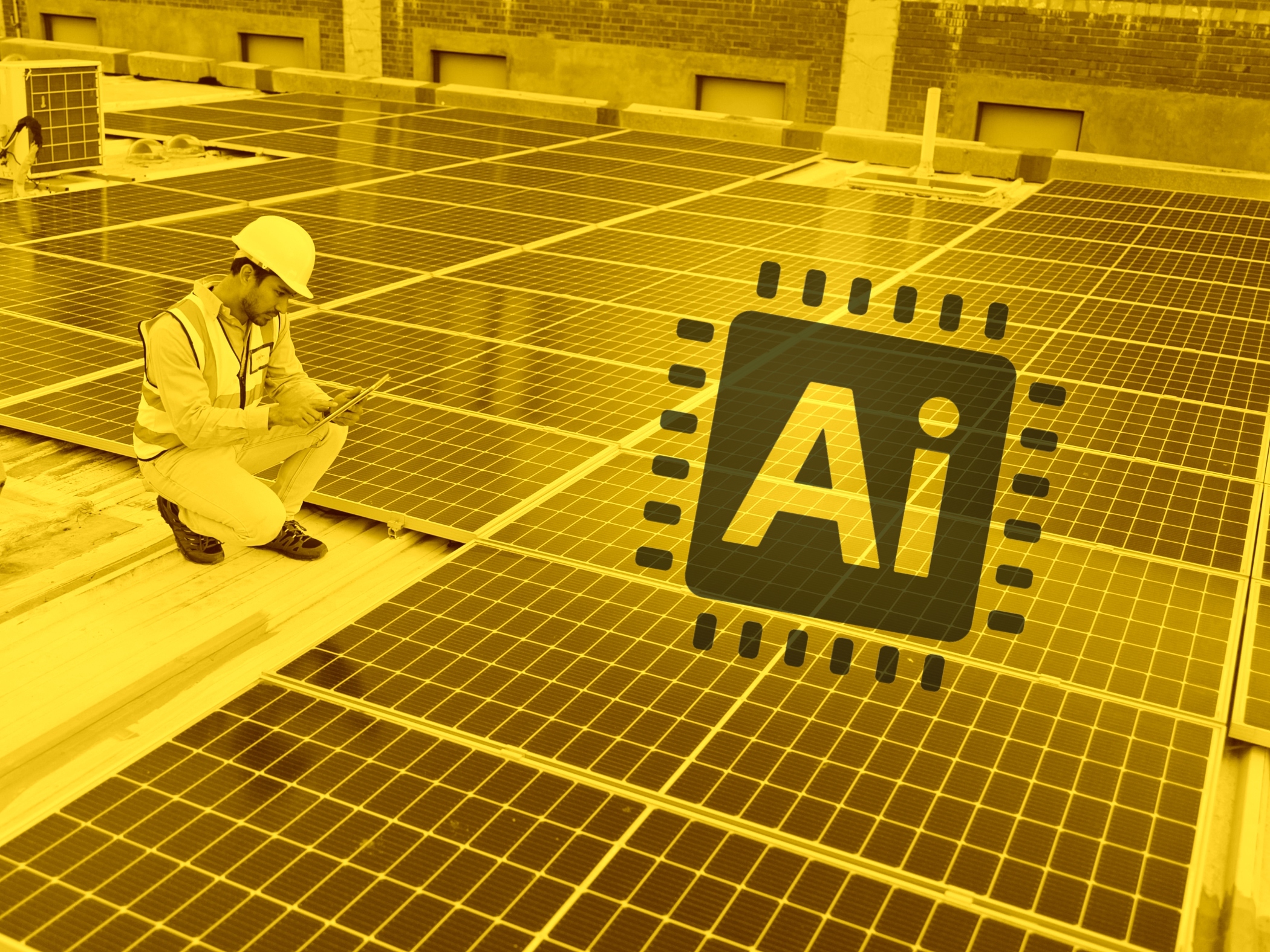
While AI is revolutionizing the way we think about nearly everything from healthcare to finance, education and transportation, it is particularly adept at optimizing solar installations. AI-driven real-time data analysis, predictive algorithms and automated control systems can be applied across the solar generation process to maximize solar panel output, reduce costs and improve reliability.
If you have a solar installation or are considering one, here are just a few ways AI can help optimize it and ensure you get the best return on your investment.
1. Panel placement
AI can analyze weather patterns, the path of the sun, potential shading issues and a host of other environmental factors to help determine the optimal location for a solar array, whether on a rooftop, carport or ground mounted. It can also identify the best angle and orientation for the solar panels on your chosen site to maximize the array's generation potential.
2. Component performance
By continuously monitoring the output and performance of the solar panels, the inverters and other system components, AI helps solar systems achieve their full potential. It can detect issues or anomalies that might go unnoticed by humans, alerting you to potential problems before they become crises, ultimately improving the system’s reliability and overall efficiency. It can also dynamically adjust solar panel settings to ensure they’re operating at peak efficiency given current conditions.
3. Predictive maintenance
Rather than relying solely on set schedules based on best practices, AI-powered analytics can create a proactive, data-driven maintenance plan for your solar installation. By analyzing the age of the solar equipment, along with current and historical operating conditions and generation data, AI can minimize maintenance-related downtime and streamline maintenance crews' work. AI can flag potential safety issues and even alert you if your solar panels need to be cleaned.
4. Energy generation forecasts
If your home or business is largely reliant on solar energy for its power, you’ll want to leverage AI to create reliable generation forecasts. AI analyzes historical and predicted weather patterns, such as cloud cover, temperature, wind gusts and solar radiation levels, to estimate how much energy your array will generate at any given point in a day. The analysis can help you determine if or how you need to expand your system.
5. Energy storage
A battery energy storage system (BESS) is a crucial component of many solar installations. A BESS stores excess energy generated by your solar array. The system’s AI-driven algorithms then deploy that energy when needed, such as overnight or when grid energy prices are high, ensuring your solar energy is used as efficiently as possible.
6. Energy use
AI is a powerful tool for optimizing the use of the solar energy generated by your system. For example, it can craft efficient charging schedules for solar-powered irrigation systems or electric vehicle (EV) chargers. It can find the most energy-efficient routes for EV fleets. For homes and businesses, AI algorithms can reduce energy costs and environmental impact by optimizing energy use and improving energy efficiency.