
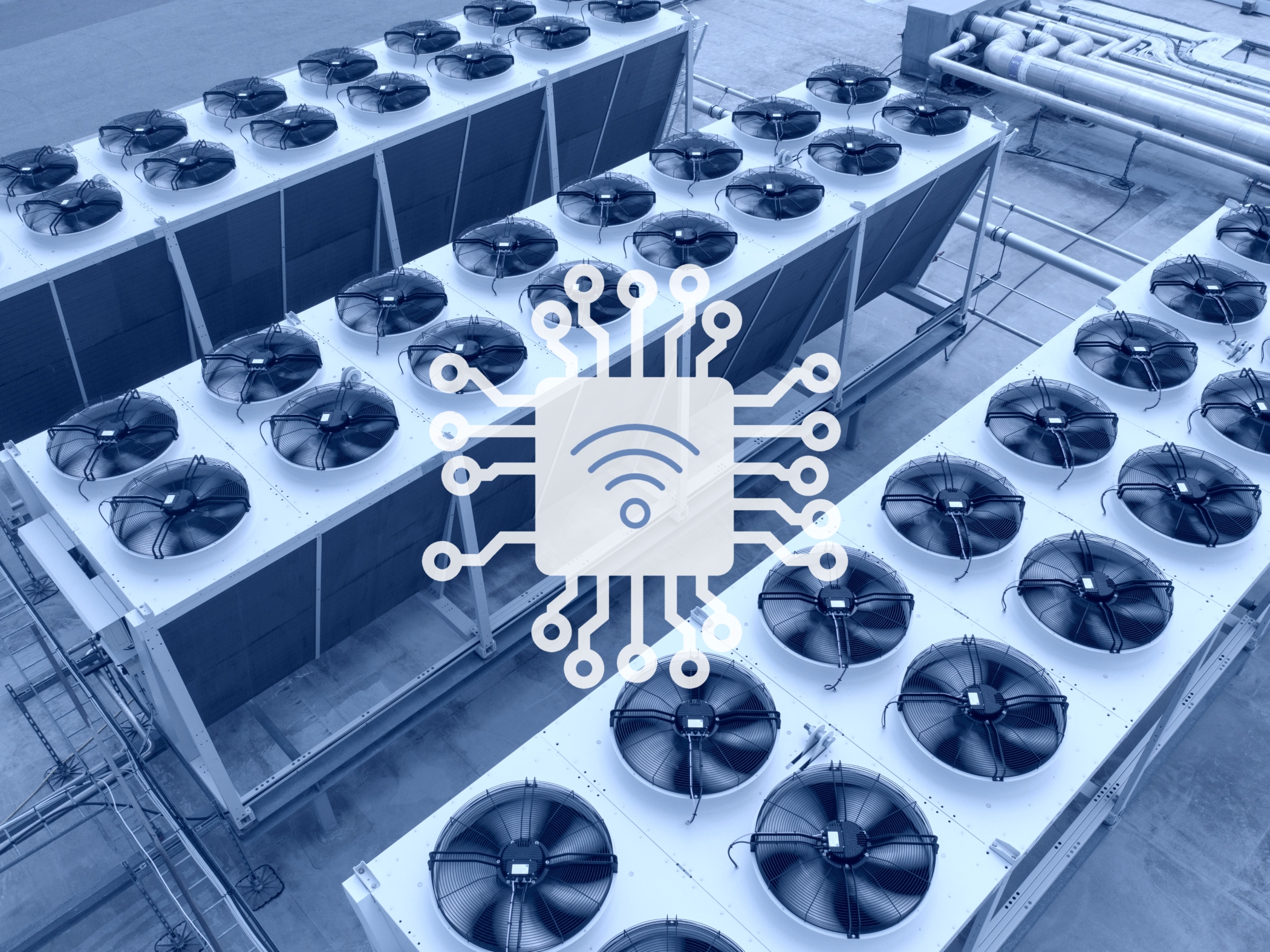
HVAC systems have long been used in commercial buildings to provide a comfortable and productive indoor environment. However, with heightened concern about energy costs, sustainability and indoor air quality, there is a growing need for smarter, more efficient HVAC solutions. This need has led to a shift toward integrating data analytics and advanced technologies into HVAC systems, making them smarter, more efficient, dynamic and responsive.
The traditional approach to HVAC operation
Major components of conventional commercial HVAC systems include chillers, boilers, cooling towers, air handling units, ductwork and vents. These systems generate hot or cold air and then filter and circulate it throughout the building.
HVAC components typically operate in a fixed manner, drawing the same amount of power regardless of the actual demand on the system. However, the integration of smart technology can change all this, allowing for a greater level of precision and control that can save energy, optimize comfort and reduce maintenance costs.
How smart technology can revolutionize HVAC performance
Smart technology is the key to advanced HVAC systems. Multiple smart technologies, such as building automation systems (BASs), Internet-of-Things (IoT) devices and machine learning (ML), can help improve HVAC system efficiency and performance.
BASs have been around for decades, but recent advances have made them more effective and easier to use. They optimize building operations by integrating and automating HVAC, lighting and other systems. BASs enable smarter management by automating schedules, responding to environmental changes and streamlining maintenance for sustainable building performance.
IoT refers to a network of physical devices — sensors, software, controls — that connect and exchange data over the internet. IoT-enabled sensors can collect vast amounts of real-time data on building temperature, humidity and air quality and use that information to adjust settings to save energy and optimize indoor conditions.
Big data and artificial intelligence-driven ML revolutionize how we control and maintain HVAC systems. ML platforms can process and analyze large amounts of data from building sensors to spot inefficiencies, recognize patterns and identify opportunities for system performance improvement.
ML algorithms can take this analysis even further, predicting future system performance and suggesting real-time adjustments. For example, if the algorithm detects a gradual decline in cooling tower heat exchange efficiency, it might predict a scaling issue in the heat exchanger. Based on this prediction, the algorithm could suggest proactive actions, such as scheduling a cleaning cycle, to avoid further efficiency loss.
By pairing efficient HVAC systems with the latest in smart building technology, you can improve system performance, reduce energy costs and create a healthier and more comfortable indoor environment — today and tomorrow.